There are few presentations in acute neurology as striking as transient global amnesia (TGA). A patient arrives in the emergency department in an apparent state of confusion, unable to form new memories, asking the same questions on a loop. Stroke, seizure, psychiatric crisis: the differential is immediately alarming. And yet, in the right clinical context, the diagnosis carries one of the most favorable prognoses in all of acute neurology. Once you recognize it clinically, it is a great feeling to comfort the relatives of the patient, that these symptoms will resolve in the next 24 hours. It is also impressiv to demonstrate how the patient will not manage to encode new memories and will forget anything within a few minutes.
I will not go into the scientific details but rather my own experience. Indeed you see that the patient keeps asking the same question every couple of minutes. Sometimes with the exact wordings. I remember my first case in Germany where the patient kept asking me “and where am I now?” every 5 minutes.
Who Gets It?
So far, I have seen a few cases that come in pensioners after working in the garden in a squatting or sitting position. It seems also that Valsalva maneuver or sex could trigger it.
Here are some of the cases I saw
Case 1 — The Farmer Who Forgot He’d Milked the Cows
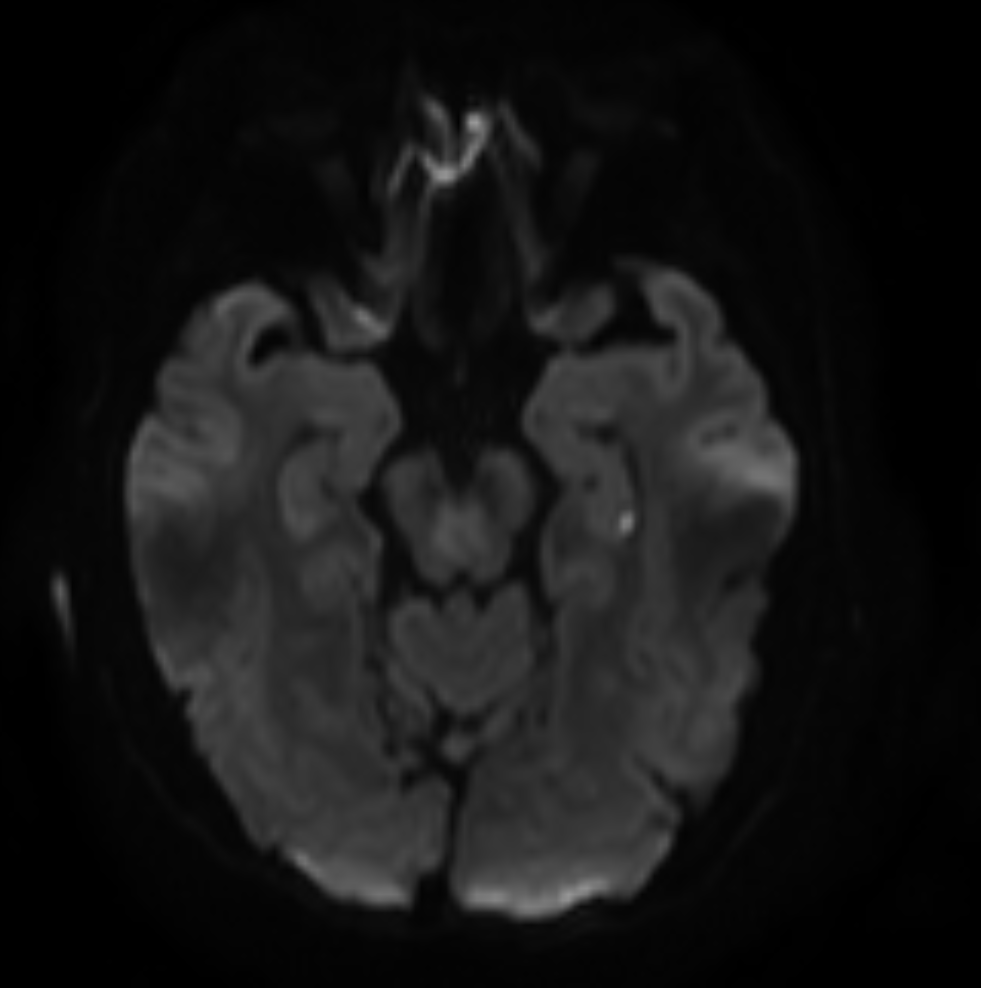
A 72-year-old healthy man presented after repeatedly asking his son when they were going to milk the cows — minutes after having done so. Examination and CT were unremarkable; MRI DWI the following day showed a punctate diffusion restriction in the right hippocampus. Symptoms resolved fully within 24 hours.
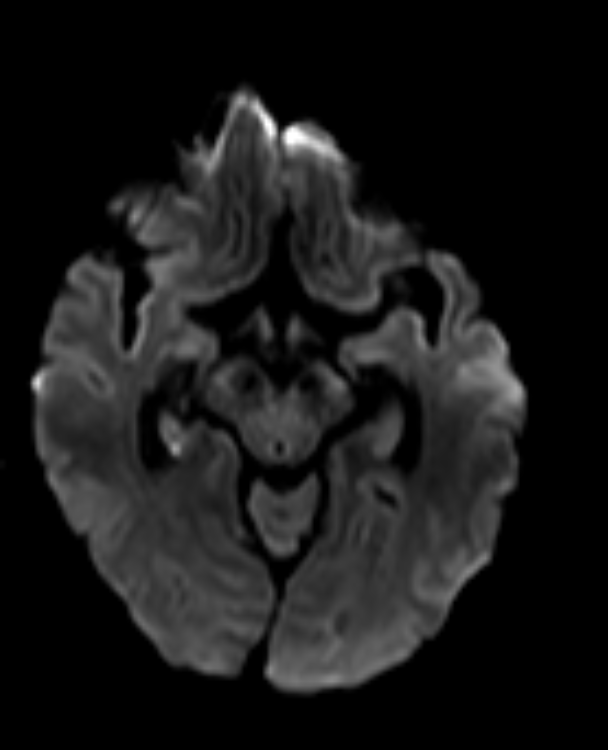
Case 2 — The Man Whose Afternoon Disappeared
A 57-year-old hypertensive man presented with sudden-onset confusion and anterograde amnesia (MoCA 20/30) from 5:30 PM onwards, with no focal deficits and a normal CT. MRI DWI the next day confirmed a punctate lesion in the left hippocampus.
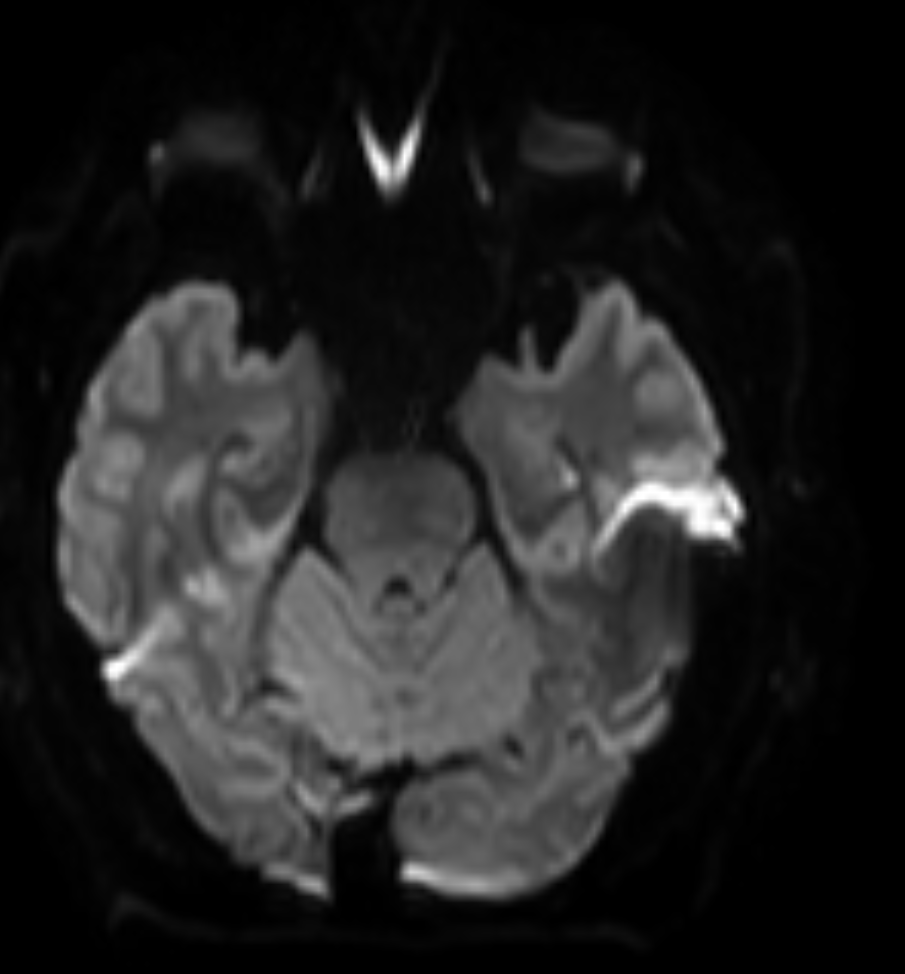
Case 3 — The Gardener Who Lost Her Evening
An 74-year-old otherwise healthy woman was brought in after losing all memory of the previous evening, having spent the afternoon gardening with her head bent forward. CT and CTA were normal; MRI DWI five days later showed a punctate CA1 lesion in the left hippocampus, with full neuropsychological recovery at follow-up. The prolonged head-forward posture is a classic Valsalva-type precipitant.